
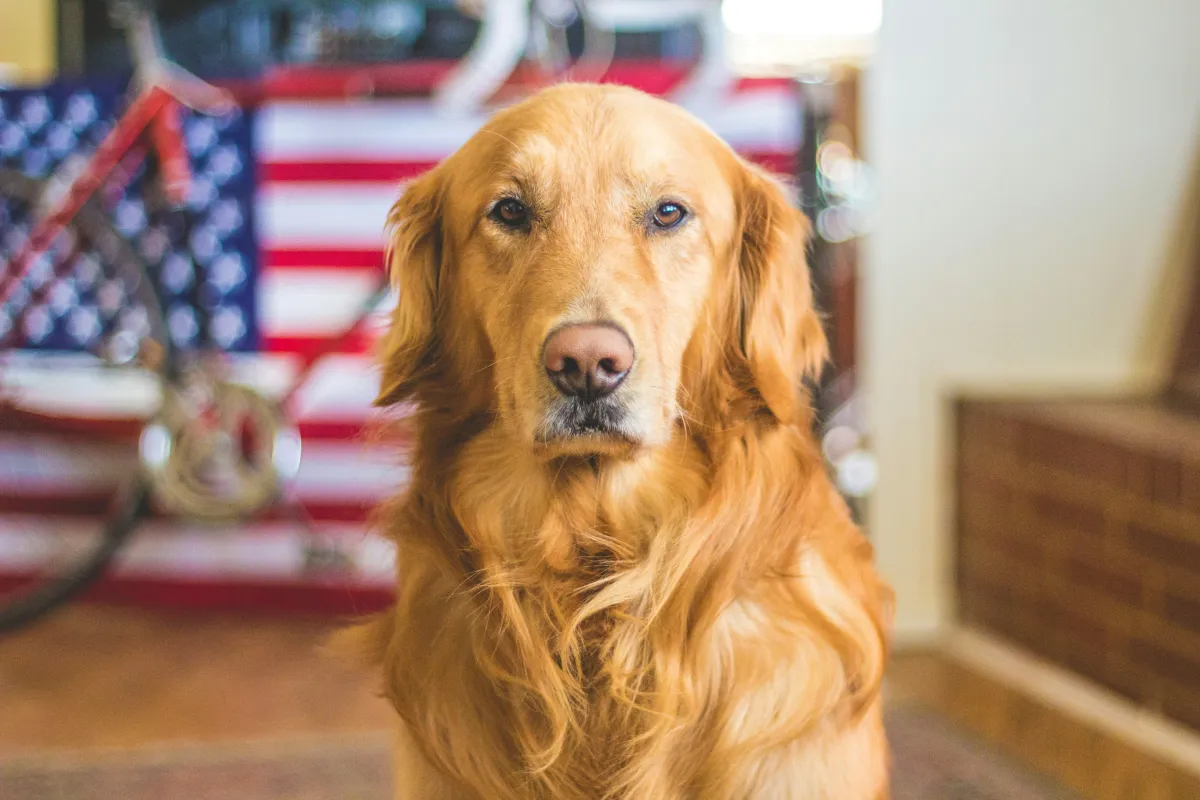
Life-Changing Companion Dogs for Veterans Today
Companion dogs for veterans offer vital emotional and physical support. They help reduce stress, improve sleep, and boost independence. Studies show veterans with service dogs are far less likely to have PTSD. The right companion dog can change a veteran’s life by providing constant support and loyalty.
The Vital Role of Companion Dogs for Veterans
For many of us who’ve served, the fight doesn’t stop once we leave the military.
Civilian life brings its own battles—PTSD, physical injuries, and the struggle to adjust.
This is where companion dogs for veterans change lives.
They don’t just offer comfort; they bring back purpose.
The bond between a veteran and a service dog is unlike anything else.
These loyal animals stay by your side no matter what.
They sense stress before it takes over, provide steady support during tough moments, and help make day-to-day life easier.
A 2024 study in JAMA Network Open found that veterans with service dogs were 66% less likely to be diagnosed with PTSD than those without.
That speaks volumes about how much these animals help with mental health recovery.
But their impact goes beyond emotions.
Many of us deal with mobility issues, and an assistance dog can make a big difference.
Whether it's picking up something we've dropped, opening doors, or helping us stay steady while walking, these dogs help us stay active and independent.
Isolation is another struggle.
PTSD and trauma can make it easy to shut the world out.
But a support dog changes that.
Strangers stop to say hello, breaking the cycle of avoidance.
Daily care for the dog adds structure to life, bringing back confidence and a sense of control.
The benefits of companion dogs for veterans don’t stop with us—they ripple out to our families, friends, and communities.
When veterans feel grounded and supported, we’re more present in relationships, more ready to work, and more engaged in life.
For those of us facing post-service challenges, the right dog isn’t just a companion—it's a path back to freedom and dignity.
How Companion Dogs Improve Veterans’ Lives
As a veteran, adjusting to civilian life can feel overwhelming.
Stress, anxiety, and physical challenges can make daily tasks tough.
That’s where companion dogs for veterans step in, offering not just emotional support but also a path to greater independence and well-being.
One of the biggest benefits of these specially trained companion dogs for veterans is stress and anxiety relief.
These animals provide a steady, calming presence, helping veterans handle high-stress situations with confidence.
Studies show that veterans with support dogs often have lower cortisol levels, meaning less anxiety and fewer PTSD symptoms.
These dogs can sense emotional shifts and step in before anxiety worsens—whether by nudging, licking, or staying close for comfort.
Beyond emotional support, these loyal canines help with everyday tasks.
Many veterans face mobility issues or struggle with simple actions due to injuries or conditions like traumatic brain injury (TBI).
A trained companion dog for veterans can retrieve dropped items, open doors, or even remind their handler to take medication.
This kind of support gives veterans more independence, cutting down frustration and feelings of helplessness.
Just as important is the constant companionship these dogs provide.
Loneliness is a huge challenge for many veterans, especially when reintegrating into society.
A companion dog for veterans offers a reliable social connection, making outings and interactions feel easier.
Studies even show that veterans with support animals sleep better, socialize more, and rely less on medication for symptom management.
By offering connection and purpose, these dogs help ease isolation and encourage stronger human relationships.
For many veterans, these loyal dogs become more than just pets—they become life-changing partners, offering stability, freedom, and a renewed sense of purpose.
Finding the Right Companion Dog for a Veteran
Finding the right companion dog for veterans is all about matching the dog to the veteran’s needs, lifestyle, and daily routine.
It’s not just about picking any dog—it’s a careful process to make sure the bond is strong and meaningful.
How the Right Match Is Made
Every veteran faces different struggles, like PTSD, mobility issues, or social anxiety.
The right companion dog for veterans needs to fit those specific needs.
The process starts with a detailed assessment of the veteran’s routine, activity level, and emotional needs.
The goal is to find a dog whose personality and skills match the veteran’s life.
A 2024 study from JAMA Network Open found that veterans with service dogs were 66% less likely to have a PTSD diagnosis compared to those without one.
That kind of impact only happens when the match is just right.
Training and Preparation
Once the right companion dog for veterans is chosen, training becomes the focus.
These animals need to be well-mannered, responsive, and in tune with their veteran partner’s emotions.
Some veterans need a highly trained service dog, while others do best with an emotional support animal trained in basic obedience and comfort skills.
Veterans also go through training.
They learn how to communicate with their dog and build a relationship based on trust.
This step makes sure they transition smoothly into daily life together.
Ongoing Support for Veterans and Their Dogs
Getting a companion dog for veterans is just the beginning.
Many organizations offer follow-up training, refresher courses, and guidance on vet care.
Adjusting to life with a service dog takes time, and having continued support makes everything easier.
Whether it’s learning new commands, reinforcing training, or handling unexpected behavioral challenges, these resources help keep the veteran-dog partnership strong.
The right companion dog for veterans isn’t just about having a pet—it’s about building a lasting bond that brings healing, confidence, and stability.
The Impact of Companion Dogs for Veterans
Companion dogs for veterans do more than just offer loyal companionship—they provide ongoing support that helps both the veteran and the dog thrive.
For many former service members dealing with PTSD, depression, or mobility challenges, a well-trained canine can be life-changing.
These initiatives carefully pair each veteran with the right dog, giving them stability, security, and emotional support.
The positive effects of companion dogs for veterans are undeniable, offering comfort and a renewed sense of purpose.
How These Programs Help Veterans
These programs go beyond training highly skilled dogs—they focus on building strong, lasting bonds between veterans and their companions.
Veterans get personalized training, resources to make the transition easier, and often financial help for essential care.
Emotional support is a big part of the process.
Many veterans struggle with isolation, and having a loyal four-legged friend makes it easier to connect with others.
The structure these programs provide helps veterans feel confident in handling their dog while also easing loneliness and stress.
The Importance of Careful Pairing
Veterans don’t just get any dog—they are matched with one that fits their specific needs and lifestyle.
Every step, from temperament assessments to specialized training, ensures they get a dog that can truly help them.
Some dogs wake veterans from nightmares, guide them through public spaces, or provide comfort during anxiety episodes.
Matching the right veteran with the right dog is key to long-term success.
When done properly, it increases independence, strengthens mental health, and improves quality of life.
Without careful selection, the wrong match could make life harder instead of easier.
Ongoing Support for Veterans and Their Dogs
Support doesn’t end when a veteran gets their dog.
Many programs offer refresher training, access to professional trainers for behavior issues, and financial aid for vet care.
A 2024 JAMA Network Open study found that veterans with service dogs were 66% less likely to have a PTSD diagnosis than those without.
That’s why ongoing training and medical care are so important—they keep these partnerships strong.
Many of these programs also build tight-knit communities where veterans can connect, share experiences, and support each other.
This sense of belonging is powerful, giving veterans the confidence to navigate life with their loyal companion.
The success of companion dogs for veterans depends not just on initial training but on strong, continuous support.
A well-matched dog can change a veteran’s life, but long-term success comes from continuous training, guidance, and resources.
With the right match and ongoing support, these programs give veterans the stability and companionship they deserve.
FAQs
How do companion dogs for veterans help with PTSD?
Companion dogs for veterans are always there, helping them handle PTSD by easing anxiety, improving sleep, and encouraging social interaction. These dogs can sense distress and step in to provide comfort during panic attacks or nightmares.
What breeds make the best support dogs for veterans?
Labrador Retrievers, Golden Retrievers, and German Shepherds are popular because they’re smart, calm, and easy to train. But the best breed depends on the veteran’s needs and lifestyle.
How can a veteran get a trained canine companion?
Most programs start by looking at the veteran’s needs, daily life, and home setup to find the right match. The chosen dog goes through specialized training, and veterans usually train alongside them to build trust before bringing them home.
Do these dogs need special training?
Yes, they go through intense training to provide emotional support, fetch items, or help with mobility. Some even learn to recognize stress triggers and step in when needed.
Can any veteran get a support dog?
It depends on the program. Most focus on veterans with PTSD, physical disabilities, or other service-related challenges. Veterans should apply through a trusted organization that offers proper matching and continued support.


