
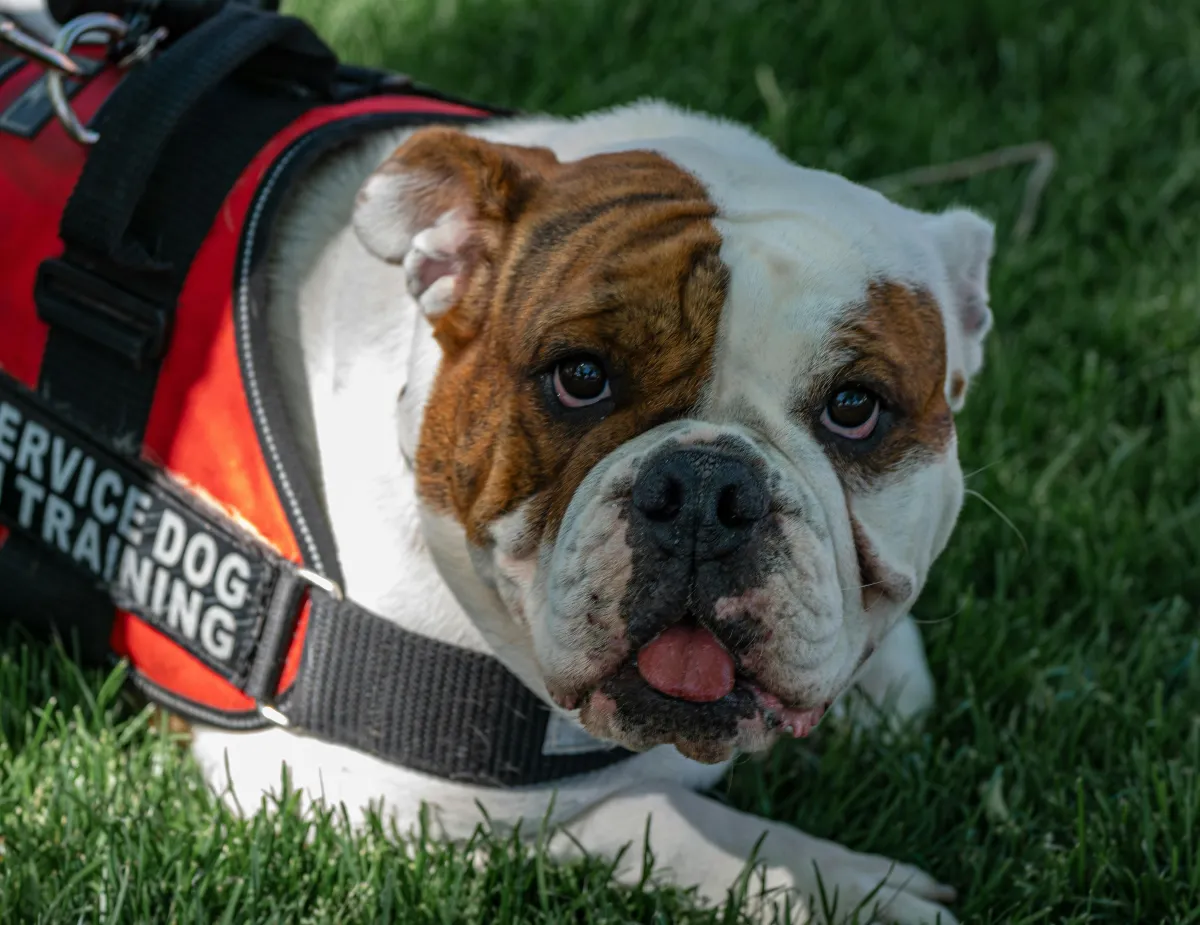
Transformative PTSD Service Dogs in Anaheim, CA
PTSD service dogs offer vital support by easing anxiety, helping with sleep, and aiding in daily tasks. These trained dogs can stop harmful behaviors, check rooms for safety, and create space in crowds. To get a PTSD service dog, a person must have a diagnosed mental health condition and be receiving ongoing care.
How PTSD Service Dogs Change Lives
Living with PTSD can make even simple daily tasks feel overwhelming.
That’s where PTSD service dogs come in.
They provide comfort, stability, and real-life help, making it easier to regain control.
These specially trained animals don’t just offer emotional support—they actively help their handlers face the challenges of PTSD.
One of the biggest benefits of having a PTSD service dog is emotional and mental support.
Studies show that these canines can help reduce PTSD symptoms like anxiety and mood swings.
Many people also sleep better with a trained companion nearby.
Nightmares, insomnia, and sleep disturbances are common struggles, but the dog’s presence can bring a sense of security at night.
These animals also help with everyday tasks, making life a little easier.
They can remind their handlers to take medication, stop anxious behaviors, and create a physical barrier in crowds.
If someone has a panic attack or dissociates, a PTSD service dog can help them calm down with pressure therapy or guide them to a safe space.
Having a trained companion can also mean relying less on medication.
While each person’s experience is different, many find that their dog’s constant support helps them manage symptoms without needing as many prescriptions.
Simple actions like petting or cuddling with a service dog can lower stress and promote relaxation.
Another major benefit is independence.
Everyday tasks—like leaving the house, attending social events, or running errands—become less intimidating with a service dog by their side.
These animals help their handlers feel more confident in public, making social interactions easier.
At the end of the day, PTSD service dogs are much more than pets.
They’re life-changing partners that offer comfort, assistance, and a sense of security.
Their support makes it possible for those with PTSD to heal, grow, and take back their lives.
The Process of Getting a PTSD Service Dog in Anaheim
Getting a PTSD service dog isn’t like adopting a regular pet.
It’s a step-by-step process to make sure you and the dog are the right match.
If you're thinking about applying for one in Anaheim, here’s what you need to know about obtaining a PTSD service dog.
Who Can Qualify and How to Apply
Not everyone qualifies for a PTSD service dog.
You need a diagnosed mental health condition, and a licensed mental health professional must confirm that a specially trained dog would help.
So, the first step is talking to your doctor or therapist to see if this type of support animal is right for you.
If you qualify, you’ll need to apply through a recognized group like Patriots and Paws.
The application usually includes personal details, medical history, and a statement about how a trained companion would improve your life.
The process isn’t quick, so be patient.
Most programs also require you to be in ongoing counseling.
This helps make sure the PTSD service dog works alongside your treatment plan instead of replacing it.
A PTSD service dog is meant to support you, not take the place of therapy.
Training and Finding the Right Dog
Once you're approved, the next step is finding the best dog for you.
These dogs are trained to help with PTSD-specific tasks like stopping anxiety attacks, creating space in crowds, and reminding you to take medication.
Training takes months, sometimes even years, to make sure the PTSD service dog is fully prepared.
You'll also go through training to bond with your new companion, learning how to give commands, care for them, and use their support in daily life.
The goal is to create a strong, natural partnership where your PTSD service dog instinctively helps you handle everyday challenges.
By the time your PTSD service dog is placed with you, both of you will be ready to work as a team.
Traits and Training of Effective PTSD Service Dogs
Not every dog can be a PTSD service dog.
These animals need to be smart, calm, and eager to help.
A good support canine isn’t just obedient—it understands when its handler is in distress and knows how to respond.
What Makes a Good Support Dog?
The best service animals share key traits that help them do their jobs well. They are:
Calm under pressure – They stay steady even in stressful settings.
Quick learners – They pick up commands fast and remember them.
Deeply bonded – They form strong connections with their handlers and want to help.
Emotionally tuned-in – They can sense stress or anxiety and step in when needed.
Gentle but protective – They don’t attack, but they help their handler feel safe.
Dogs that naturally have these traits are great candidates for specialized training.
How PTSD Service Dogs Are Trained
PTSD service dogs go through intense training to prepare for real-life situations.
They need to be reliable, adaptable, and ready to assist their handler in different environments.
Before a dog is matched with a handler, they learn skills like:
Interrupting anxiety episodes – They recognize signs of stress and gently nudge or paw at their handler to bring them back to the moment.
Checking rooms for safety – They help reassure their handler by searching rooms, making it easier for them to enter their home without fear.
Creating personal space – In crowded places, they position themselves between their handler and others to reduce stress.
Waking their handler from nightmares – They can sense distress during sleep and gently wake their handler.
Reminding their handler to take medication – They alert their handler when it’s time for important medication.
A Purdue University study found that one of the most valuable things these trained companions do is disrupting anxiety episodes, which greatly helps with symptom management.
These dogs do much more than provide comfort.
They give their handlers a sense of independence and control, helping them regain peace of mind.
How PTSD Service Dogs Help Veterans
Life after military service isn’t always easy.
PTSD can make everyday tasks feel impossible, bringing anxiety, depression, and withdrawal from others.
That’s where PTSD service dogs come in—not as pets, but as trained companions that provide stability, security, and independence.
If you’re a veteran in Anaheim, there are organizations ready to help.
Patriots and Paws is one such group dedicated to connecting veterans with trained canine companions to ease the transition to civilian life.
These dogs do more than offer comfort—they’re trained to help manage PTSD symptoms in real, life-changing ways.
The Impact of PTSD Service Dogs
A PTSD service dog isn’t just there for emotional support.
It actively helps manage daily challenges:
Easing anxiety and panic attacks – These dogs sense stress and respond with calming behaviors, like applying gentle pressure to help you feel grounded.
Boosting social confidence – PTSD can make isolation tempting. A service dog encourages interaction, making social settings feel less intimidating.
Offering security in public – Crowds, loud noises, or unfamiliar places can trigger anxiety. A service dog creates space and helps you feel safer.
Building a daily routine – Caring for your dog gives structure to your day, making it easier to regain a sense of purpose and control.
Beyond these day-to-day benefits, service dogs can reduce the need for medication and even improve sleep.
Studies show they help lessen nightmares and nighttime anxiety, leading to better rest.
Getting Support in Anaheim
If you're a veteran in Anaheim looking for a trained support dog, nonprofits like Patriots and Paws can help.
Plus, the Department of Veterans Affairs (VA) may support qualifying veterans by covering costs for veterinary care and service dog gear through the VA Prosthetic & Sensory Aids Service.
With the right resources, a trained service dog can help make the journey to recovery a little easier, giving you the support and companionship you deserve.
FAQs
How do PTSD service dogs help?
PTSD service dogs give emotional support, interrupt anxiety, and help create a sense of security. They also perform tasks to help their handlers manage daily life. Many can sense distress before it gets worse and step in to help.
Can these dogs help with nightmares?
Yes! Many are trained to wake their handlers from nightmares, provide comfort, and create a calming presence for better sleep.
What tasks can these service animals do?
They can interrupt panic attacks, fetch medication, create space in crowds, provide deep pressure therapy, and remind their handler to use calming techniques.
Who can get one of these dogs?
You need a diagnosed mental health condition like PTSD and must be under the care of a mental health professional. Most organizations require an application to match you with the right dog.
Can these dogs go anywhere?
Yes! The Americans with Disabilities Act (ADA) allows them in public places like stores, restaurants, and public transportation as long as they help with their handler’s disability.


